

Blog
From Toddler to Primary: How Montessori Supports a Child’s Next Stage of Development
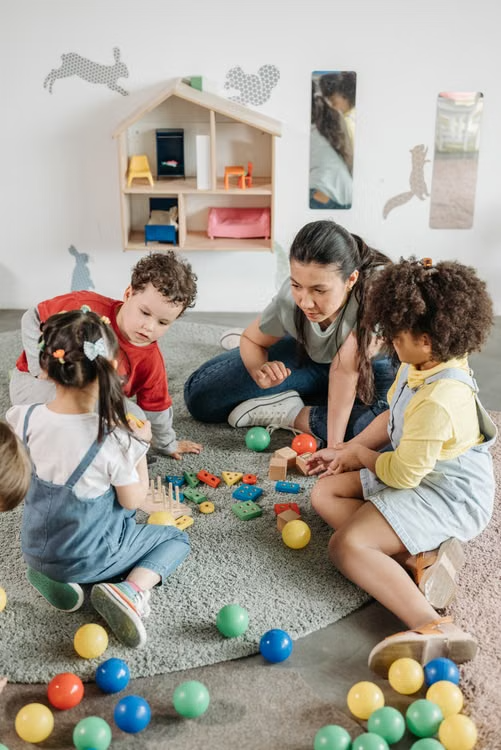
Around age three, children often become more interested in doing things independently. They may want to dress themselves, complete tasks without help, make their own choices, and spend more time exploring activities alongside other children. The Montessori transition from toddler to preschool builds on these developing skills. As children move into the Primary Program, they encounter…
How Montessori Helps Children Develop Social Skills Without Constant Adult Direction
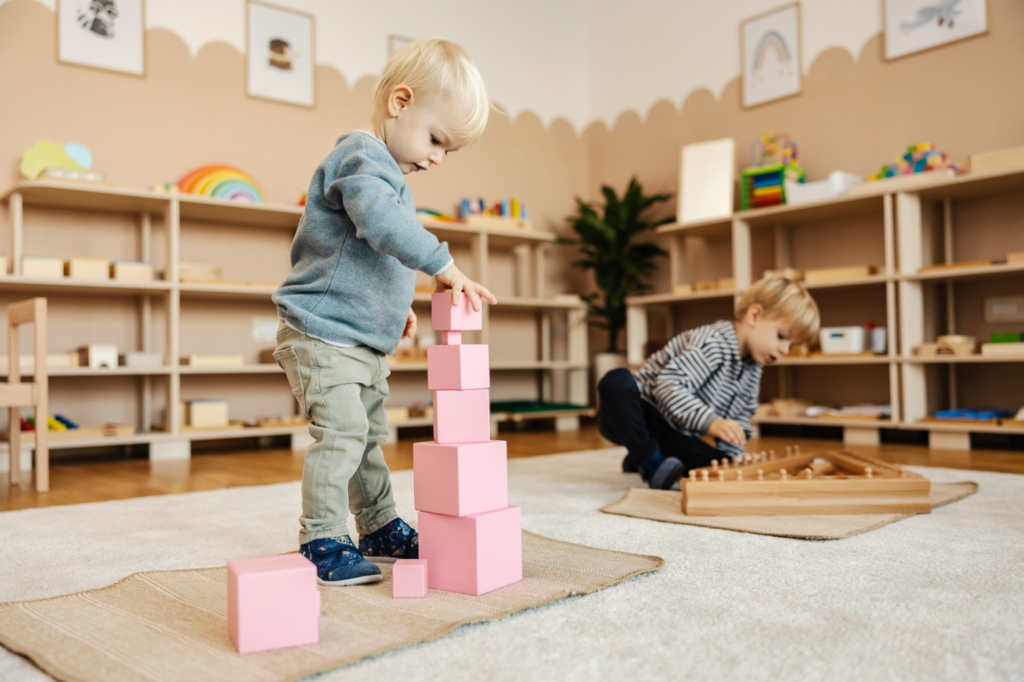
Picture two four-year-olds who both want the same puzzle. In a Montessori preschool, you will often see them work it out on their own, with a teacher close by but not stepping in. That is how social skills in early childhood grow best. Children need real moments to practice, not constant instructions. Learning From Children…
Why Montessori Children Learn With Their Hands Before Working With Abstractions
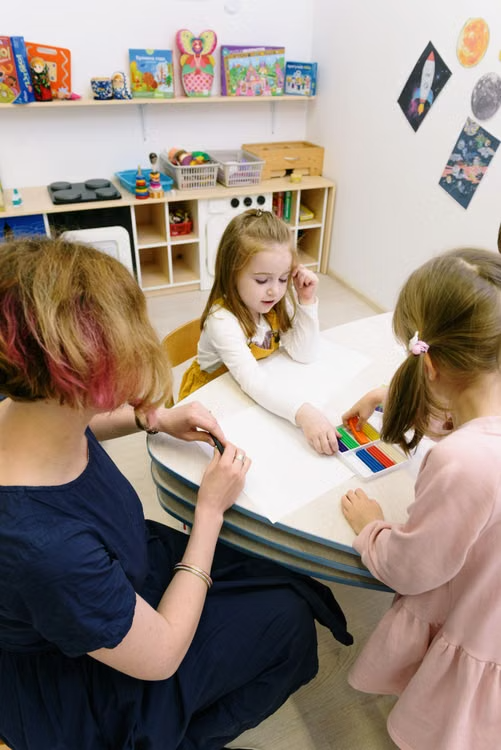
A young child may find it difficult to understand addition using written numbers alone. Give that child twelve beads to count and group, and the numbers become something they can see and handle. This is the idea behind hands-on learning for children in a Montessori preschool: concrete experiences help children build an understanding of concepts…
How Montessori Builds Language Skills Through Everyday Conversation
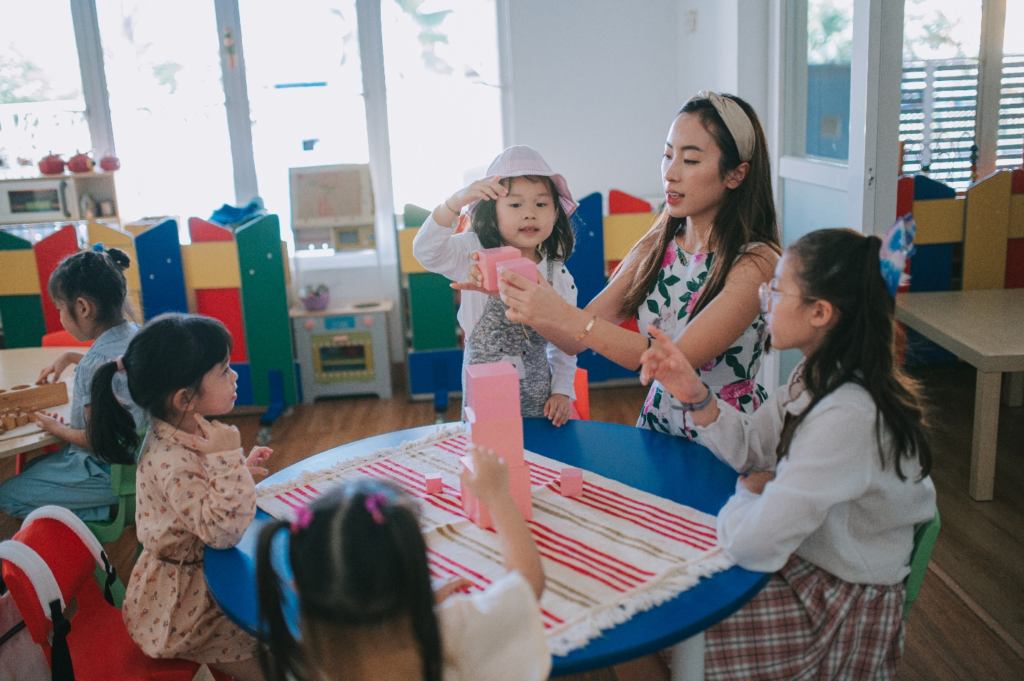
Children build language skills through the conversations, stories, and everyday experiences they share with others. In a Montessori classroom, language development happens throughout the day as children listen to teachers, ask questions, describe their activities, and learn new words through hands-on exploration. These everyday interactions help children express their thoughts, understand others, and grow more confident…
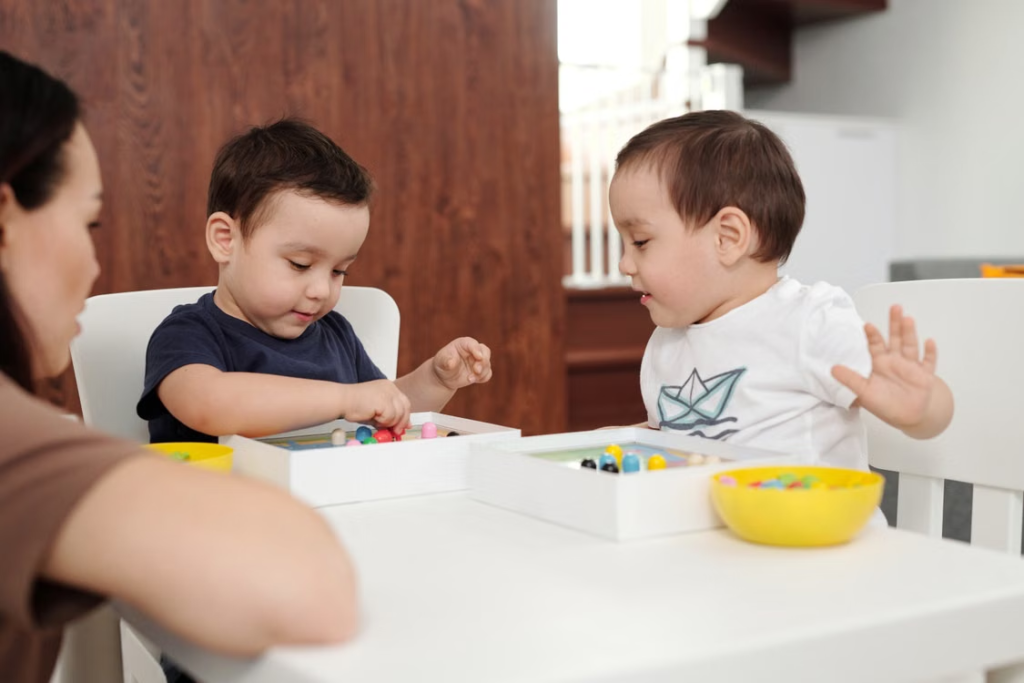
Why Montessori Gives Children Real Choices Instead of Unlimited Choices
What happens when a young child is given too many choices at once? Instead of feeling empowered, they may feel overwhelmed, distracted, or unsure where to begin. Montessori takes a different approach. Choice and independence in Montessori are built around meaningful options within clear boundaries. Children have opportunities to make decisions, but the environment is carefully…
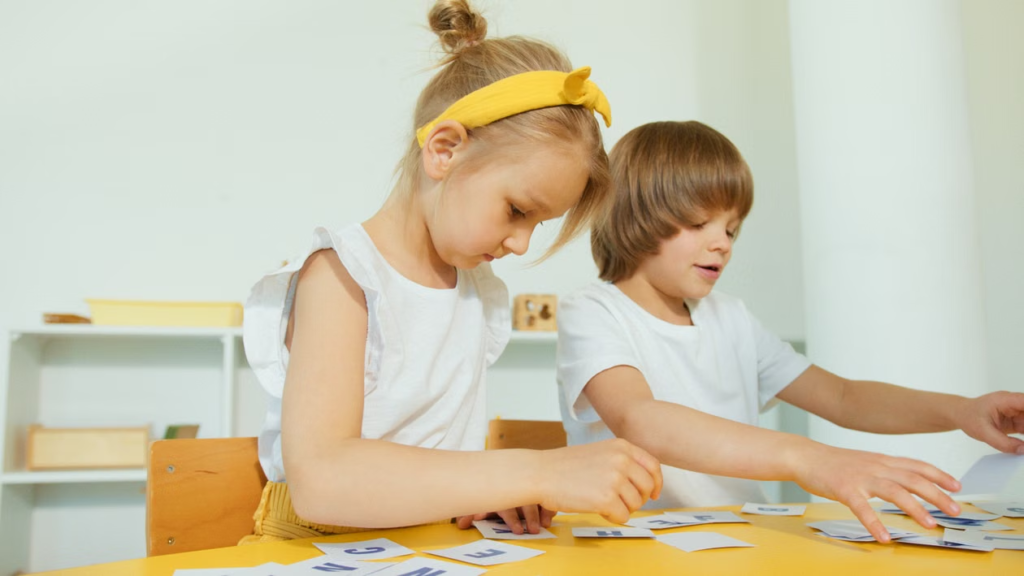
What Makes a Montessori Classroom “Prepared” for Young Children?
What if a classroom could quietly teach a child before the teacher says a word? In Montessori education, the physical environment is designed to do exactly that. Every shelf, table, material, and movement pathway has a purpose. A Prepared Montessori environment is more than an attractive classroom filled with wooden materials. It is an intentional space…

How Montessori Materials Teach Children to Notice and Correct Mistakes
What if a mistake didn’t need to be corrected by an adult? In a Montessori classroom, a child may discover the answer independently, and that small moment of realization can become a powerful learning experience. Self-correction in Montessori is built into many learning materials and classroom activities. Rather than immediately telling children what went wrong, Montessori…

Why Children Need Uninterrupted Work Time in Montessori
Have you ever watched your child become completely absorbed in an activity, only to interrupt them because it seems like they have been doing it for “too long”? That focused period may actually be one of the most valuable parts of their learning. Uninterrupted work time for children gives them the opportunity to concentrate, make decisions,…

The Importance of Grace and Courtesy Lessons in Montessori Classrooms
Montessori education places considerable emphasis on how children interact with the people and environment around them. Academic learning is important, but children also need opportunities to learn how to communicate respectfully, navigate disagreements, wait for a turn, and contribute to a shared classroom environment. This is the purpose of grace and courtesy in Montessori education. Grace…

How Montessori Encourages Healthy Risk-Taking Through Safe Exploration
Children learn through doing, testing, adjusting, and trying again. A child who climbs a structure, pours water into a container, carries a tray, or attempts a new practical life activity is not simply completing a task. They are learning to assess what they can do, make decisions, and respond when something does not work as…
