

Have you ever noticed your child wanting to complete the same puzzle, read the same book, or practice the same activity again and again? While it may seem repetitive to adults, this behavior plays an essential role in healthy development. In Montessori education, repetition in early childhood learning is encouraged because it helps children build confidence, strengthen brain connections, and master new skills at their own pace.
Rather than rushing children to the next activity, Montessori educators recognize that repetition is a natural part of how young minds learn.
Why Do Children Love Repetition?
One of the most common questions parents ask is why children insist on repeating familiar activities.
The answer lies in brain development.
Each time a child repeats a task, the brain reinforces neural pathways that make learning more efficient. As these connections grow stronger, children become more confident, accurate, and independent.
This is why repetition in early childhood learning is considered a key part of the Montessori approach.
How Repetition Supports Development
In Montessori classrooms, repetition is built into daily routines and learning experiences. Children are free to return to activities as often as they need, allowing them to master skills naturally.
Some of the many benefits include:
- Improved concentration and attention span
- Stronger memory and information retention
- Greater confidence through successful experiences
- Better coordination and fine motor development
- Increased independence when completing tasks
Rather than focusing on speed, Montessori values meaningful learning through practice.
Repetition Across Every Stage
Children benefit from repetition at every age.
- Infantsrepeat movements, sounds, and sensory experiences as they begin understanding the world around them.
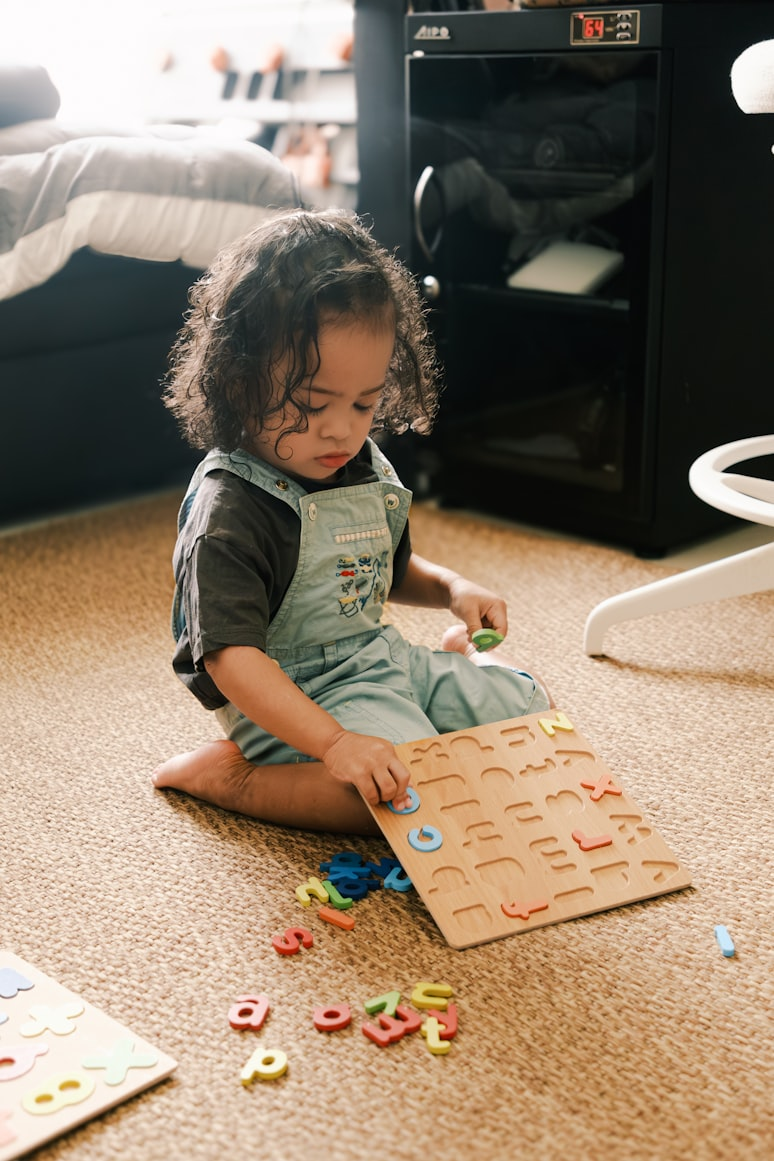
- Toddlersenjoy practicing practical life activities such as pouring, sorting, or putting objects away. Repeating these everyday tasks strengthens coordination and independence.
- Preschoolersrevisit language, mathematics, and cultural materials to deepen understanding and develop confidence before moving to more advanced concepts.
Families searching for a quality preschool and daycare in Blaine or a nurturing Montessori preschool in Chantilly, VA, often appreciate that children are never pressured to move on before they are ready.
Supporting Repetition at Home
Parents can encourage healthy learning by embracing repetition in everyday routines.
Simple ways to support your child include:
- Read favorite books multiple times.
- Allow children to complete tasks independently.
- Avoid interrupting focused play.
- Celebrate progress instead of rushing to new challenges.
When children are given time to practice, they develop lasting confidence and a genuine love for learning.
Watch Your Child Grow with Montessori
At Montessori School of Chantilly, we understand the important role repetition in early childhood learning plays in helping children become capable, confident learners. Our carefully prepared classrooms encourage children to revisit activities, build independence, and master new skills through meaningful, hands-on experiences.
Whether you’re looking for a trusted preschool and daycare in Blaine or a welcoming Montessori preschool in Chantilly, VA, we invite you to explore our Brookfield, Technology Court, and Blaine campuses.
Schedule a tour today and see our Montessori classrooms in action.
