

Posts by Emily
Why Montessori Classrooms Prioritize Process Over Perfection
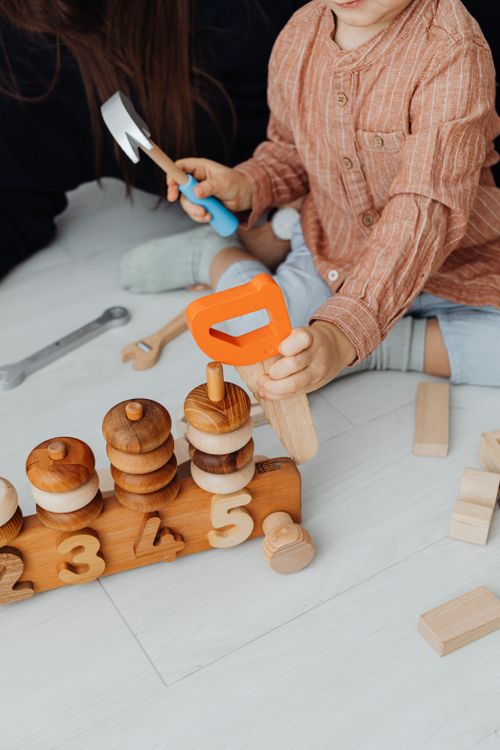
Many parents celebrate the finished product, a completed puzzle, a colorful painting, or a correctly solved math problem. While these accomplishments are important, Montessori education places even greater value on process-based learning. The focus is not simply on what children create but on how they think, explore, and grow along the way. By encouraging effort over…
Read MoreWhat Children Learn When They Care for Living Things
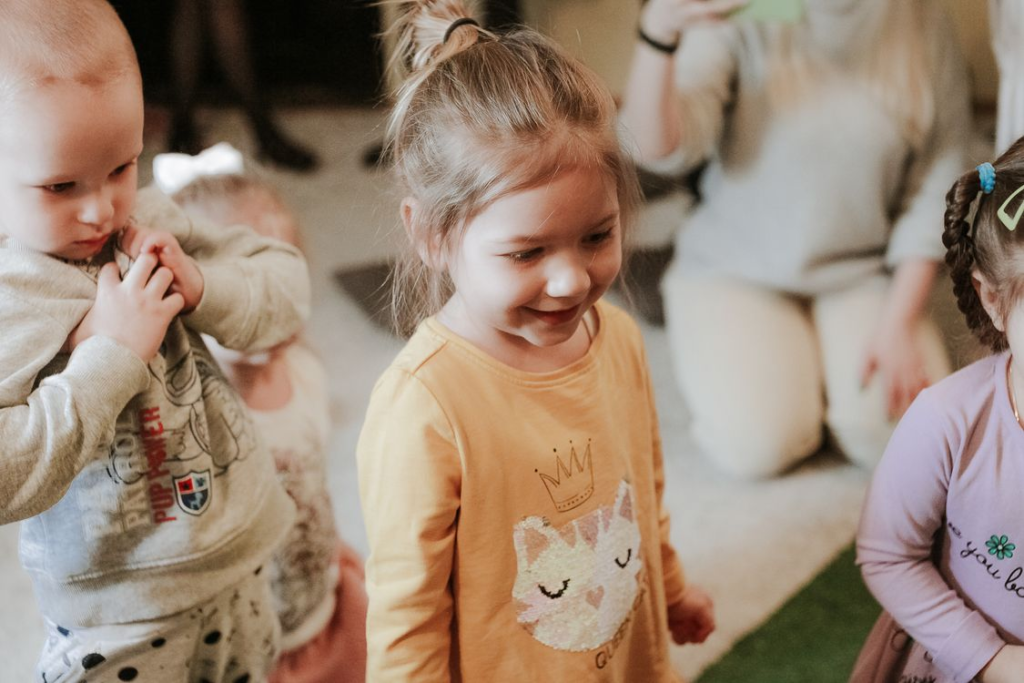
One of the most meaningful ways children learn is by caring for something beyond themselves. Whether it’s watering a classroom plant, observing a butterfly, or helping tend a small garden, these everyday experiences offer valuable lessons that extend far beyond science. In Montessori education, teaching responsibility to children begins with simple, hands-on opportunities to care for living…
Read MoreThe Hidden Benefits of Repetition in Early Childhood Learning
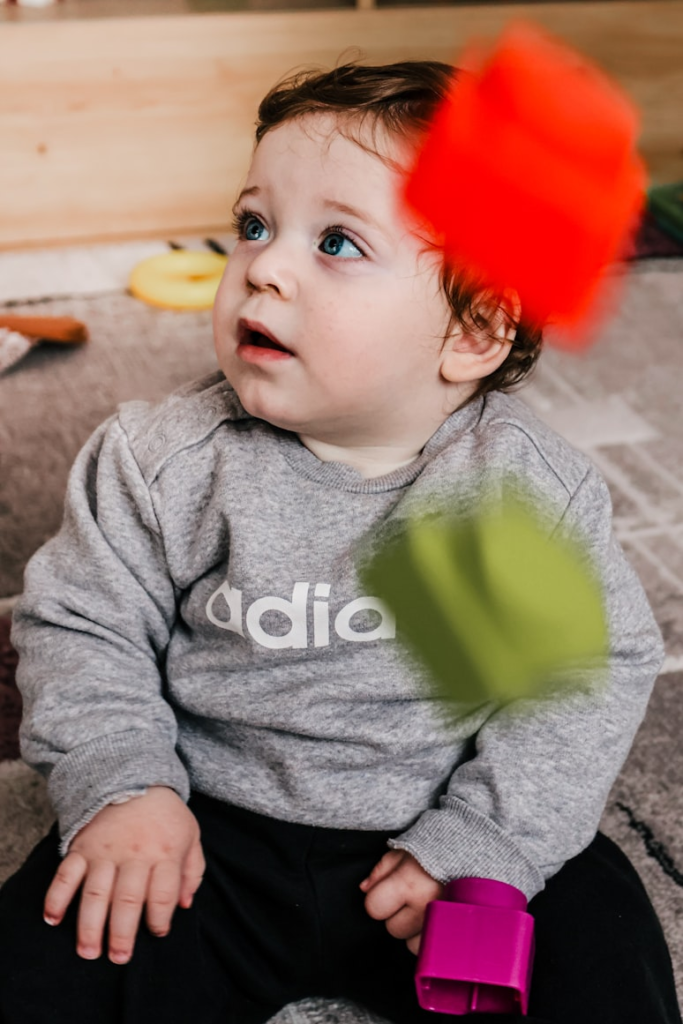
Have you ever noticed your child wanting to complete the same puzzle, read the same book, or practice the same activity again and again? While it may seem repetitive to adults, this behavior plays an essential role in healthy development. In Montessori education, repetition in early childhood learning is encouraged because it helps children build confidence,…
Read MoreThe Psychology of Space: Designing a Home Entryway That Prevents Meltdowns
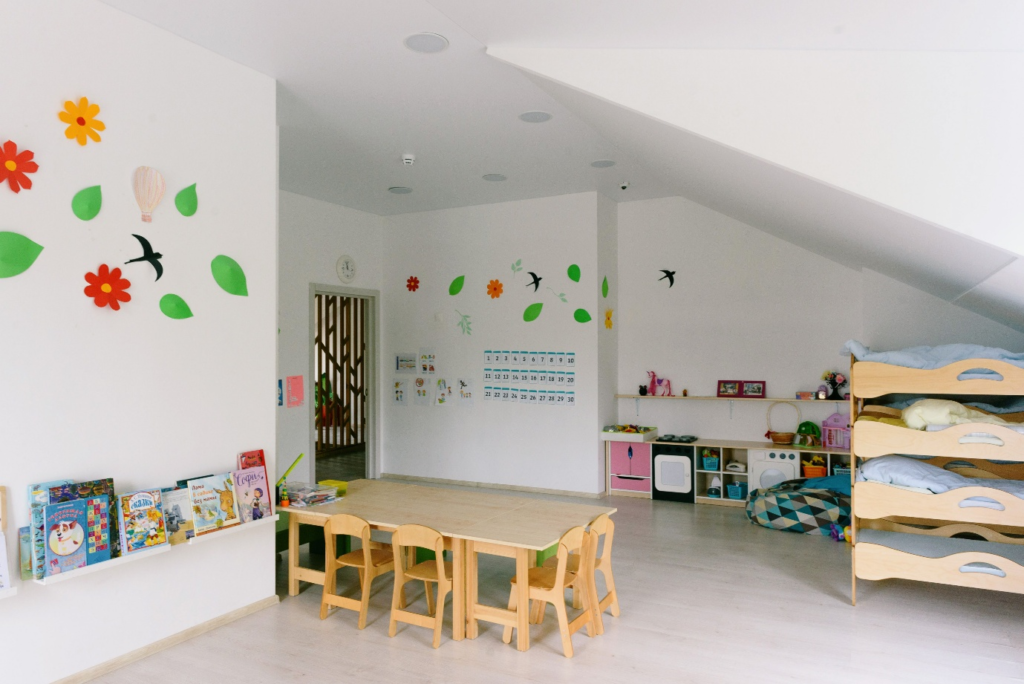
For adults, the entryway is a place to drop keys and hurry inside. For young children, it is a major transition point. Shoes come off, coats move, bags need a home, and everyone may be rushing. When the space is too tall, cluttered, or unpredictable, children can feel overwhelmed. Learn why using classroom design at…
Read MoreA Sanctuary from Screens: What a Fully Analog Classroom Teaches Your Child
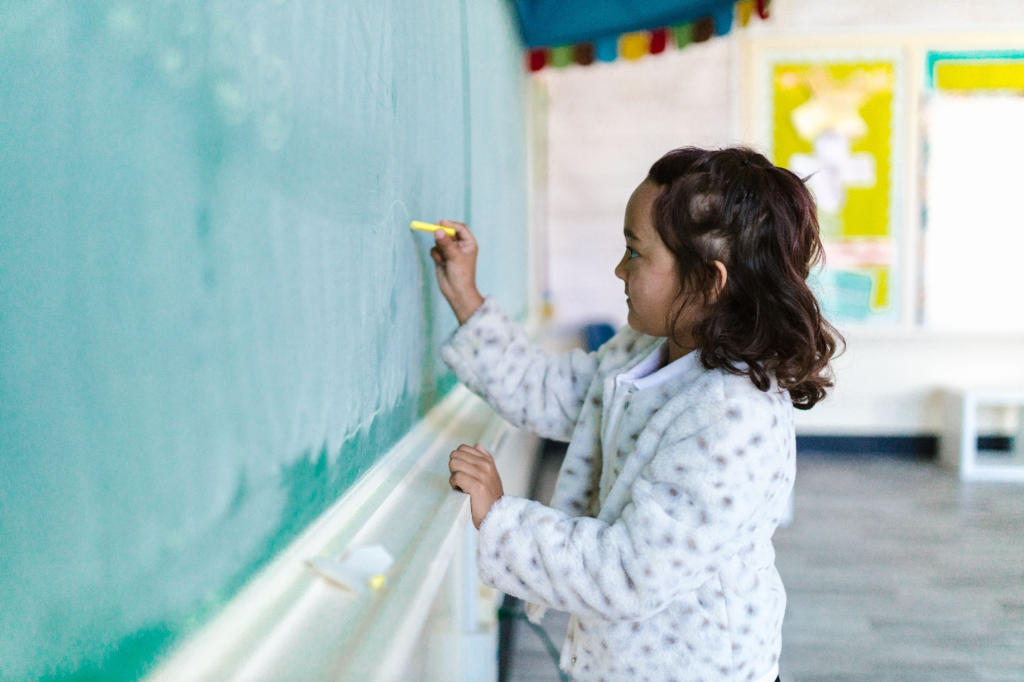
Children today are surrounded by glowing screens, quick swipes, sounds, animations, and instant rewards. While technology has its place, children need quiet, hands-on spaces where their minds can settle. Analog classrooms offer that kind of sanctuary. Instead of digital stimulation, children work with real objects, natural textures, practical tools, and face-to-face guidance. Let’s explore why this…
Read MoreIs It a Phase? Understanding Your Toddler’s Intense Need for Order

If your toddler melts down because the blue cup is in the wrong place or bedtime happens out of sequence, it may feel confusing. However, Montessori education sees this behavior differently. Maria Montessori described early childhood as a sensitive period for order, when children crave predictability because it helps them understand the world. Understanding your toddler during…
Read MoreWhy Montessori Children Learn to Solve Problems Without Being Given the Answers
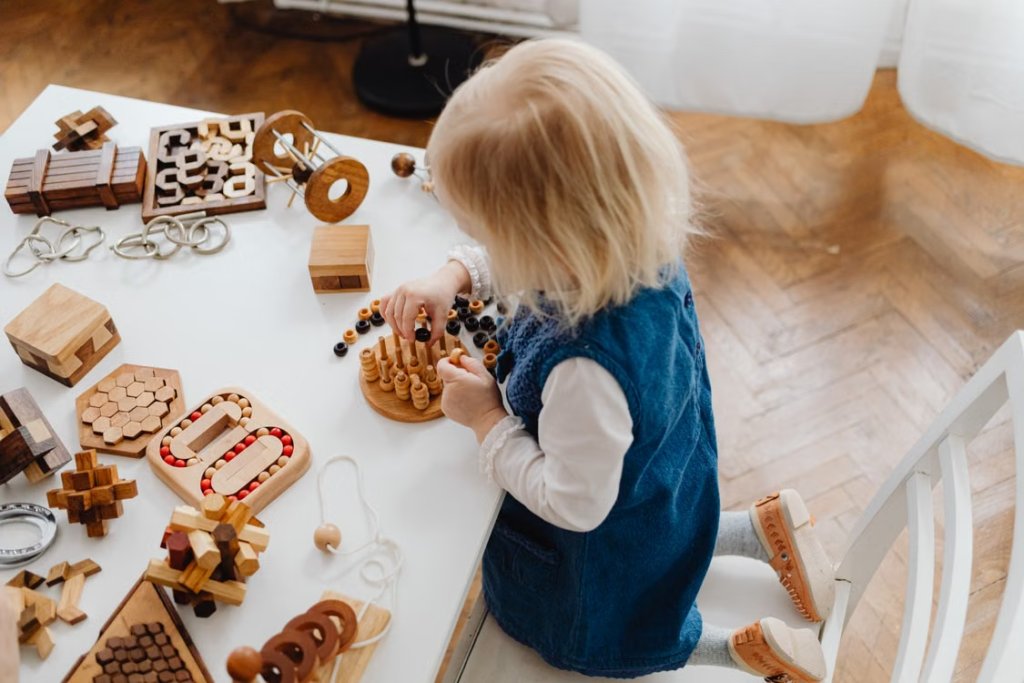
Watching a child struggle with a task can be difficult. Whether it’s fitting puzzle pieces together, buttoning a jacket, or figuring out how to carry a tray, many parents instinctively want to step in and help. While guidance is important, giving children the answer too quickly can take away valuable learning opportunities. Developing problem-solving skills…
Read MoreWhy We Don’t Use Math Worksheets: The Power of Concrete Learning
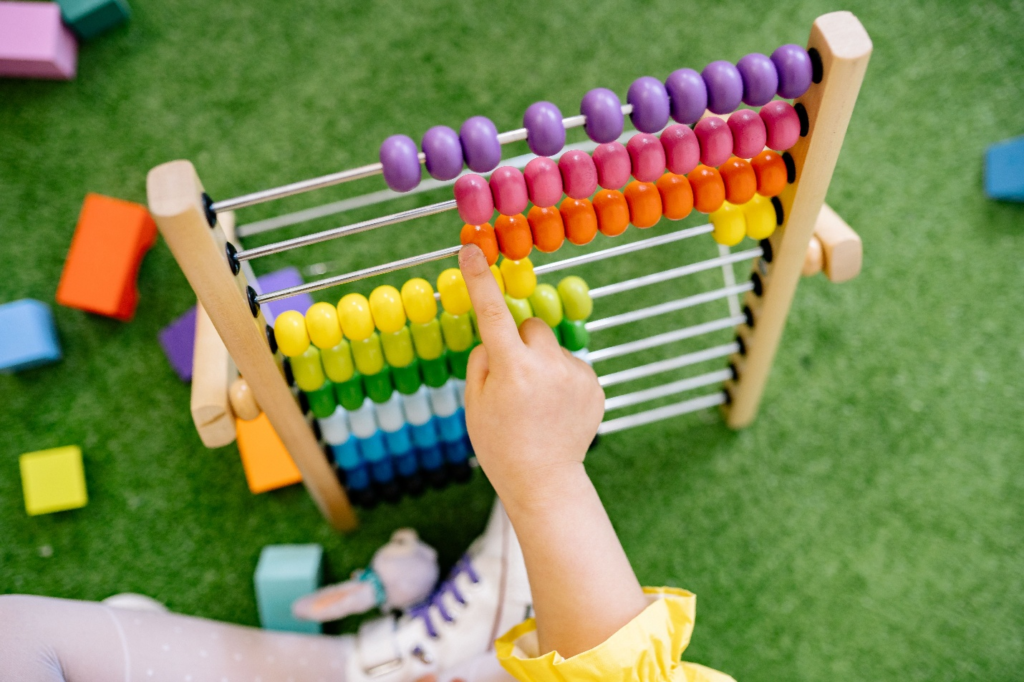
In many classrooms, math begins with paper, pencils, and memorized facts. In Montessori classrooms, it begins with the hands. Children count beads, build rods, group golden units into tens, and exchange ten tens for one hundred. This is concrete learning in action. Before a child is asked to solve an equation, they experience what numbers mean.…
Read MoreWhy Choosing the Right School is Your Most Important Village Strategy in 2026
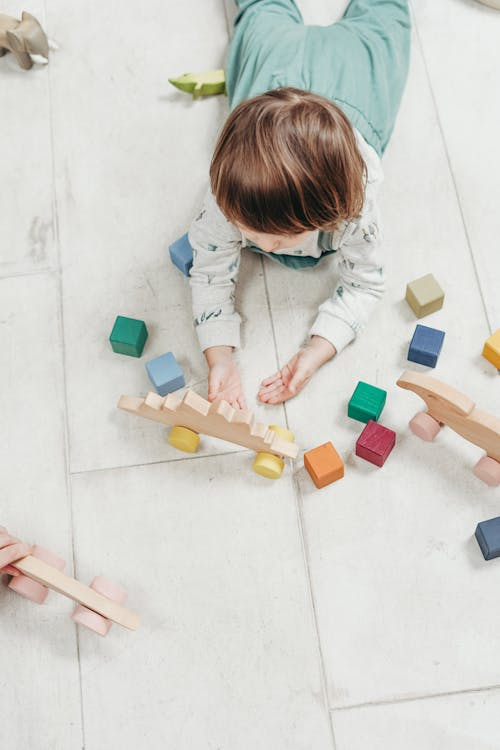
If you are trying to be the perfect career professional, an organic chef, a gentle discipline expert, and a playful entertainer all at once, it is time to drop the guilt. The exhausting “super-parent” myth is officially dead. In 2026, modern families are realizing that trying to do everything alone is a direct path to…
Read MoreHow the Montessori Environment Naturally Supports Neurodiverse Learners
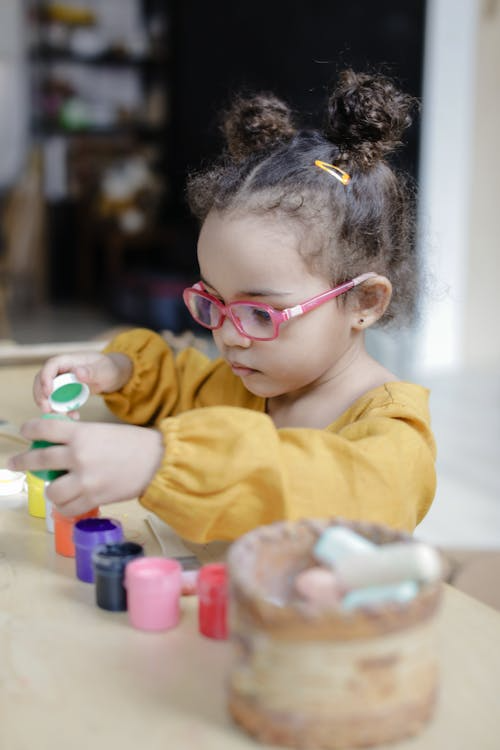
Have you ever walked into a traditional early childhood classroom and felt instantly overwhelmed by the wall-to-wall bright posters, plastic toys, and loud music? For a child with sensory sensitivities, that everyday classroom setup can feel like a sensory minefield. In 2026, as early screening and developmental awareness continue to improve, families are actively…
Read More