

Around age three, children often become more interested in doing things independently. They may want to dress themselves, complete tasks without help, make their own choices, and spend more time exploring activities alongside other children.
The Montessori transition from toddler to preschool builds on these developing skills. As children move into the Primary Program, they encounter new learning opportunities while continuing to practice familiar routines and develop independence at their own pace.
Why Age Three Feels Like a Big Step
Early childhood brings changes in communication, coordination, social interaction, and problem-solving. Children may become more confident expressing their preferences and taking part in everyday tasks, although each child develops differently.
The CDC’s milestones for age three include skills like putting on some clothes without help. Small wins like these show how much children change in a year. It is exciting, and it can feel a little emotional for parents.
Practical Life: Simple Tasks, Big Skills
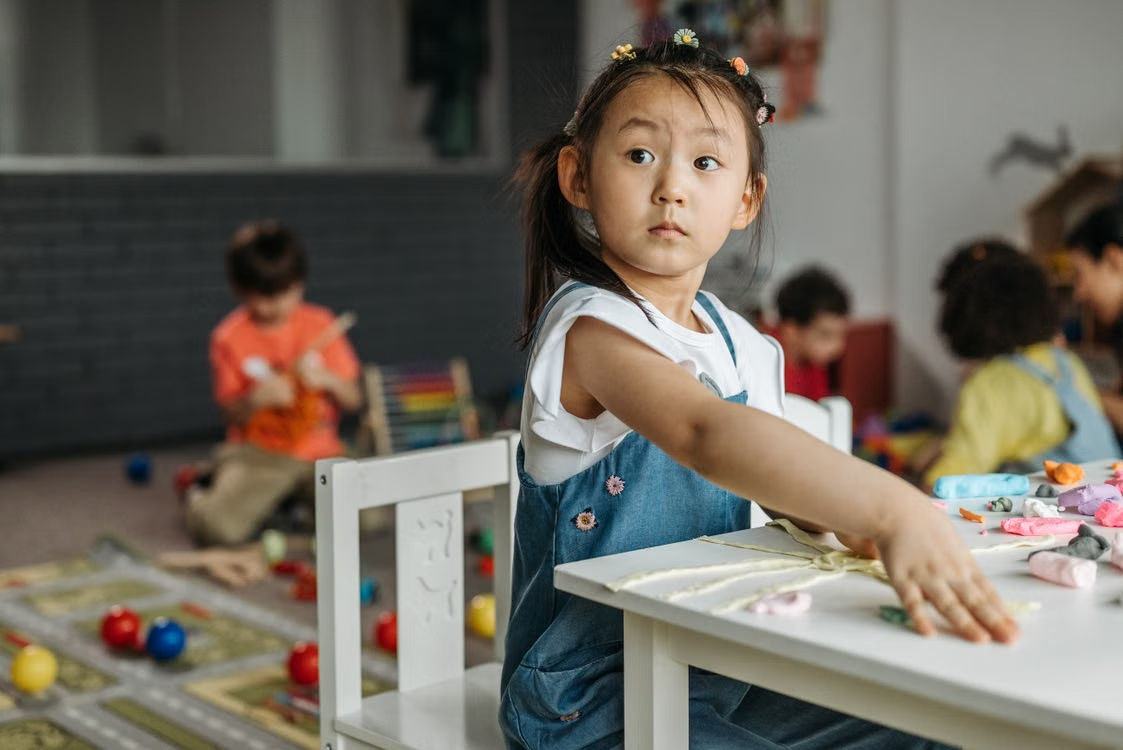
Practical Life activities give children opportunities to practice everyday tasks in manageable steps. Depending on the classroom, these may include pouring, spooning, washing, or working with clothing fasteners.
These activities support coordination, concentration, and independence. A child who practices pouring water, for example, learns to control movements, pay attention to the task, and respond when something spills. Repeating familiar activities also gives children opportunities to build confidence through practice.
The skills children develop through everyday tasks can support their participation in other classroom activities, including work with language and mathematics materials.
What Changes in the Primary Classroom
The Primary Program at Montessori School of Chantilly serves children ages three to six. As children enter this stage, they have opportunities to explore a broader range of learning materials and activities suited to their development.
The classroom includes opportunities to build language and mathematics skills, explore topics such as science and geography, and participate in practical activities. Children also learn to care for their workspaces, follow classroom routines, and interact respectfully with their peers.
The transition may involve becoming familiar with new materials, classroom expectations, and ways of working. Teachers guide children as they learn these routines, offering support and introducing activities as appropriate for each child’s readiness.
Independence Grows One Step at a Time
Teachers do not rush. They watch each child closely and offer a new lesson when the child is ready. Mistakes are welcome. Children try again and learn from them, which builds confidence.
Harvard’s Center on the Developing Child reminds us that young children grow best within caring relationships. That is why a calm, gradual move to a new classroom matters.
By the accredited kindergarten year, many children are leading lessons for others.
Support at Every Stage
At Montessori School of Chantilly, we guide children from infant care through kindergarten. Our teachers observe each child and introduce new work at the right time. We know the next step can feel big for parents, too.
If you are comparing a child care center or preschool and daycare options, we are happy to explain how our classrooms grow with your child.
Contact our team today. We would love to welcome you to our Virginia and Minnesota campuses.
