

A child who pauses to listen is doing more than following directions; they’re learning how to connect, understand, and respond. Listening skills in early childhood form an important foundation for communication, relationships, classroom participation, and future academic learning.
Montessori education supports these skills naturally through respectful conversations, hands-on activities, storytelling, music, and everyday social interactions. Rather than expecting children to simply sit still and listen, Montessori environments give them meaningful reasons to pay attention.
Why Are Listening Skills Important in Early Childhood?
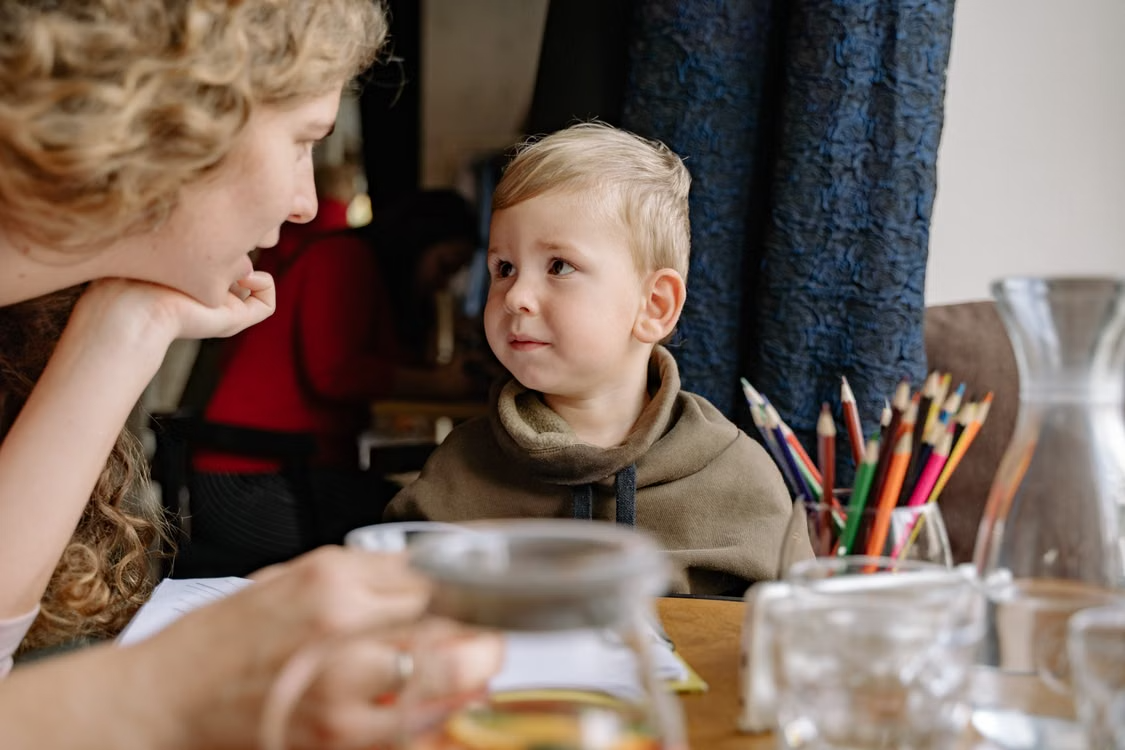
Listening helps children understand language, follow instructions, express themselves, and participate in conversations. It also supports social development because children learn to notice what others are saying and respond appropriately.
Research from Harvard University’s Center on the Developing Child highlights the importance of responsive, back-and-forth interactions between young children and caring adults. These “serve and return” exchanges support early language and social skills and help build neural connections important for development.
This makes everyday conversations, not just formal lessons, valuable opportunities for developing listening skills in early childhood.
How Montessori Classrooms Encourage Active Listening
Montessori classrooms are designed around purposeful interaction. Teachers speak respectfully to children, give clear directions, and allow them time to process information before responding.
Grace and Courtesy
Grace and Courtesy lessons teach children how to greet others, wait for a turn, speak respectfully, and listen when someone else is talking. These practical social experiences help children understand that communication involves both speaking and listening.
Storytelling and Reading
Stories encourage children to concentrate on words, remember details, predict what may happen next, and discuss characters or events. Teachers can pause during a story and invite children to share what they noticed, turning listening into active participation.
Music and Movement
Songs, rhythm activities, and movement games encourage children to listen for sounds, patterns, changes, and instructions. These activities can make attentive listening engaging rather than demanding.
Listening Skills Across Different Ages
Listening develops gradually, so expectations should match a child’s stage of development.
- Toddlers may practice responding to their names, following simple directions, and participating in short conversations. A toddler school in Chantillycan provide consistent opportunities to practice these skills through daily routines and interactions.
- Preschoolers can listen to longer stories, follow multi-step directions, participate in group conversations, and recall information. A Montessori preschool in Blainecan support this progression through purposeful classroom activities and respectful communication.
How Parents Can Strengthen Listening at Home
Parents can reinforce listening skills in early childhood through simple routines:
- Put distractions aside during conversations.
- Make eye contact naturally without demanding it.
- Read together and ask questions about the story.
- Give children time to respond rather than answering for them.
- Model attentive listening when your child speaks.
- Turn everyday activities into opportunities for conversation.
The goal isn’t perfect attention. It is helping children gradually become more comfortable with listening, processing, and responding.
Help Your Child Grow Through Meaningful Communication
At Montessori School of Chantilly, we believe listening develops through respectful relationships and meaningful experiences. Our Brookfield, Technology Court, and Blaine campuses provide nurturing Montessori school environments where children can build communication, independence, concentration, and social skills at their own pace.
We invite you to schedule a tour and see our classrooms in action. We’d love to show you how we create opportunities for children to listen, connect, explore, and grow every day.
