

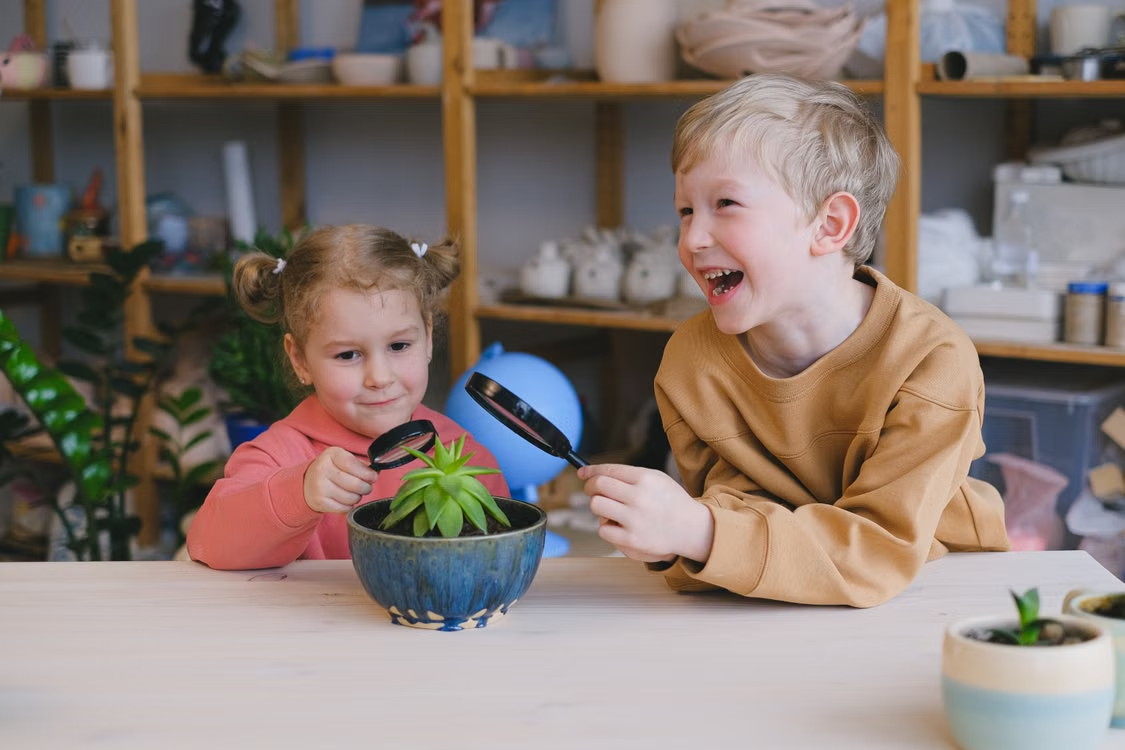
One of the most meaningful ways children learn is by caring for something beyond themselves. Whether it’s watering a classroom plant, observing a butterfly, or helping tend a small garden, these everyday experiences offer valuable lessons that extend far beyond science. In Montessori education, teaching responsibility to children begins with simple, hands-on opportunities to care for living things.
These activities encourage children to slow down, observe, and understand that their actions can positively impact the world around them.
Why Caring for Living Things Matters
Young children are naturally curious about nature. They enjoy watching flowers bloom, noticing birds in the sky, and discovering insects in the garden. Montessori schools build on this curiosity by making nature care part of the daily routine.
Through these experiences, children learn:
- Responsibility by caring for plants and classroom environments
- Empathy by recognizing the needs of living things
- Patience while waiting for plants to grow or flowers to bloom
- Observation skills by noticing changes over time
These small responsibilities help children develop confidence while fostering respect for nature and others.
Nature Care Across Every Age
Montessori school programs introduce nature-based learning in age-appropriate ways.
Infants experience nature through sensory exploration, such as touching leaves, listening to birds, or feeling different natural textures. These gentle interactions help build awareness of the environment.
Toddlers begin participating in simple caregiving tasks like watering plants, placing birdseed in feeders, or helping keep outdoor spaces tidy. These activities encourage independence while reinforcing daily routines.
Preschoolers take on greater responsibility by observing plant growth, caring for classroom gardens, and discussing seasonal changes. They begin understanding how consistent care produces positive results, an important life lesson that supports teaching responsibility to children.
Learning Beyond the Garden
The benefits of caring for living things extend well beyond nature studies.
Children also strengthen:
- Fine motor skills while watering or planting
- Language development through conversations about nature
- Critical thinking by observing cause and effect
- Emotional growth through nurturing and compassion
Most importantly, children begin to understand that their choices matter. They learn that caring, consistency, and patience help living things thrive.
Bringing Nature Care Home
Parents can continue teaching responsibility to children with simple activities at home.
Try involving your child in:
- Watering household plants
- Growing herbs or flowers together
- Feeding family pets with supervision
- Observing birds, insects, or weather changes during walks
These shared experiences create meaningful conversations while reinforcing valuable life skills.
Help Your Child Grow Through Meaningful Experiences
At Montessori School of Chantilly, we believe children learn best by doing. Caring for living things is one of the many ways we help children develop responsibility, empathy, patience, and confidence in a nurturing Montessori environment.
Across our Brookfield, Technology Court, and Blaine campuses, children enjoy hands-on experiences that inspire curiosity and foster lifelong learning.
We invite you to schedule a tour and discover how our classrooms encourage children to care, explore, and grow every day. We look forward to welcoming your family and supporting your child’s journey toward becoming a confident, compassionate learner.
